After visiting Varanasi years ago and Prayagraj earlier this year for the Maha Kumbh, I felt an irresistible pull toward Ayodhya. And like they say, mera bulava aa gaya – Ramji truly called me. This October, I finally made a quick trip to Ayodhya Dham, and my heart is brimming with gratitude. I feel so blessed that this journey materialized!
✈️ Getting There & Around
I took a morning flight from Delhi to Ayodhya (8 AM) and returned the next afternoon (2 PM). It’s an easy one-night weekend trip for anyone short on time.
For local commute, I used an Uber from the airport to my hotel, but quickly realized that in these smaller cities, wait times tend to be long and drivers often don’t adhere to the standard platform norms (they tend to follow their own rules!) – my driver, for instance, claimed there were tolls and detours due to road closures, and ended up charging me extra. It’s not about the ₹100 – it’s the unpredictability. For my airport drop the next day, I booked a local taxi service instead, which turned out to be much smoother (a quick Google search will throw up plenty of options).
🏨 Where to Stay
When scouting for hotels, I noticed three broad categories:
- Premium hotels: Park Inn by Radisson and IRA by Orchid are the top-end options; but they’re quite far from the Ram Janmabhoomi Mandir.
- Basic accommodations: Many are located right next to the Mandir, offering proximity but limited comfort.
- Mid-range stays: I opted for this middle path and chose Ramanjaneya Hotel (above Udipi Ayodhya Food Palace, near Choti Dev Kaali Mandir and Bapu Bazar). It’s fairly central — perfect if you don’t mind walking to the main attractions. Otherwise, e-rickshaws are easily available. Don’t expect much from this hotel, but having said this, the food at the restaurant below was surprisingly fairly decent!
🌺 Embarking on a Spiritual Journey
1. Ram Janmabhoomi Mandir
The soul of Ayodhya lies in the magnificent Ram Mandir. Built in the Nagara style of architecture (similar to the Konark Temple in Odisha), the structure is entirely made of sandstone and marble; with no iron or steel used.
The temple’s inner sanctum is complete and breathtaking, while outer construction and landscaping are still ongoing. Keep in mind that phones, smartwatches, big bags, cosmetics, diyas, and matchsticks are not allowed inside; lockers are provided at the entrance. This means no pictures or videos are permitted inside. You can only carry your wallet with cash & cards.
We were incredibly blessed to visit thrice — once for darshan, and twice for aarti: Shringar Aarti at 6:30 AM and Sayan Aarti at 9:30 PM. The energy during these moments is indescribable – the enchanting Ram Lalla idol, the collective chants, and the prasad – simply divine! (Though I must admit, my all-time favorite prasad still remains the halwa at the Golden Temple in Amritsar😉).
2. Must-Visit Temples Near Ram Mandir
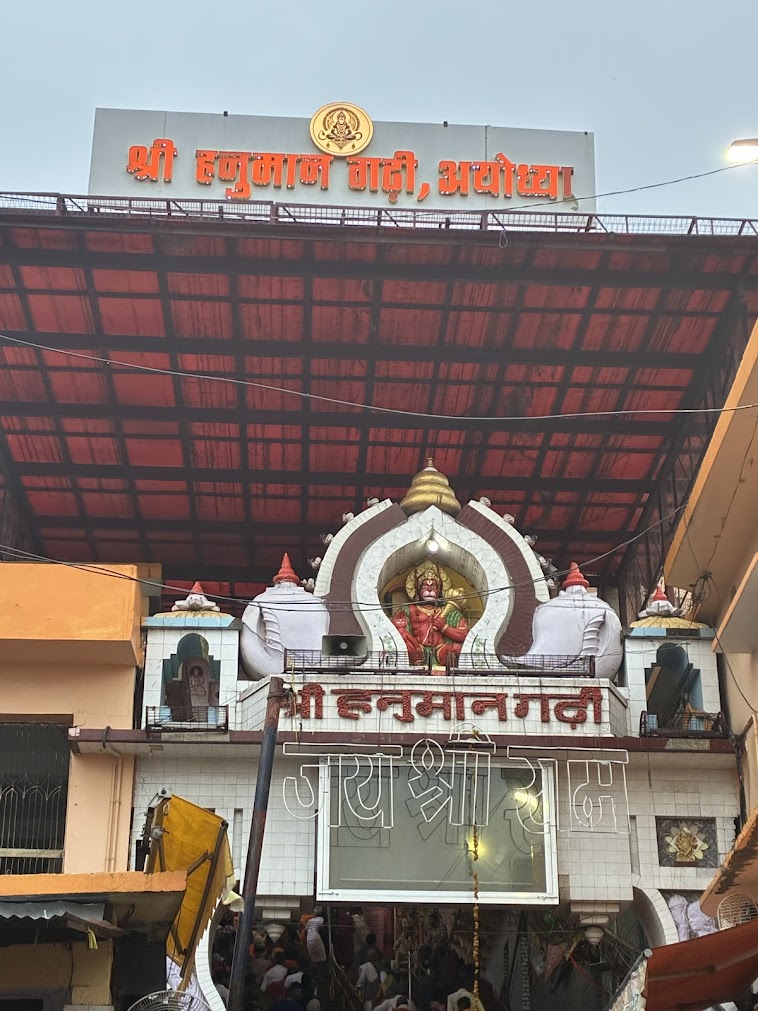
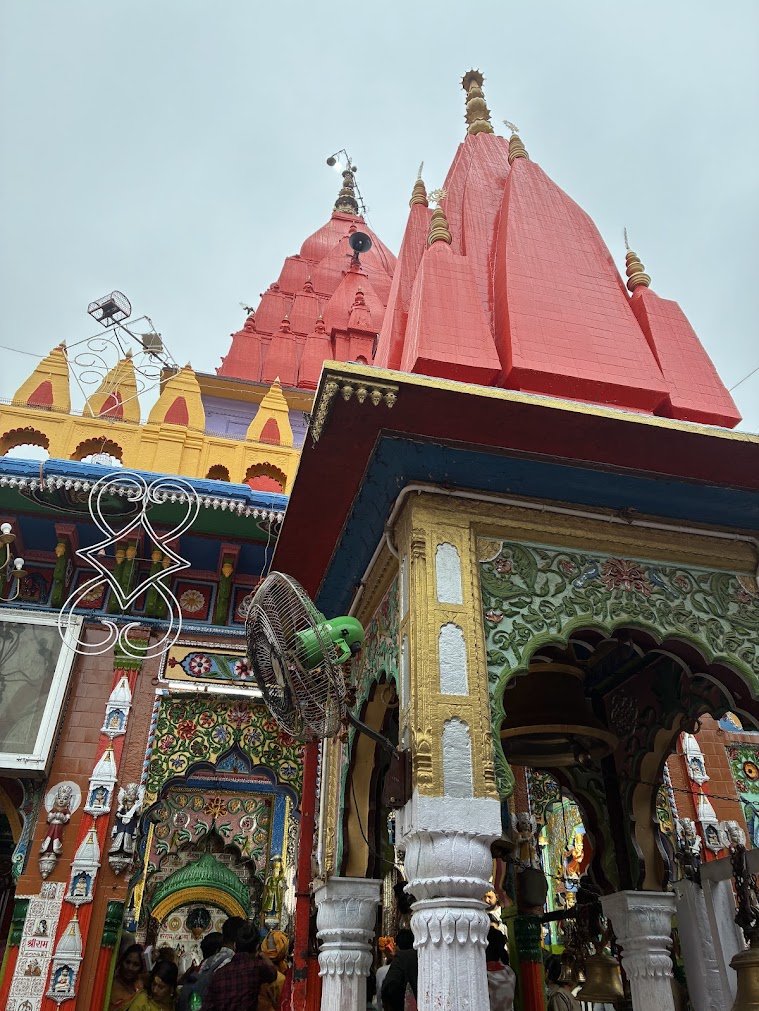
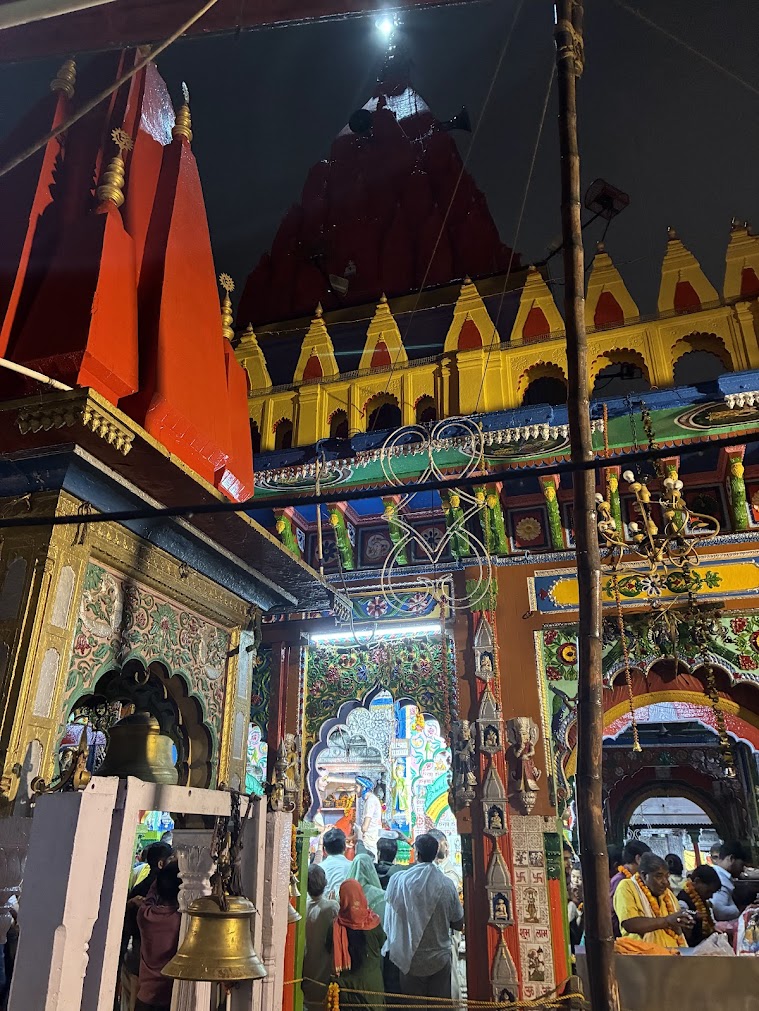
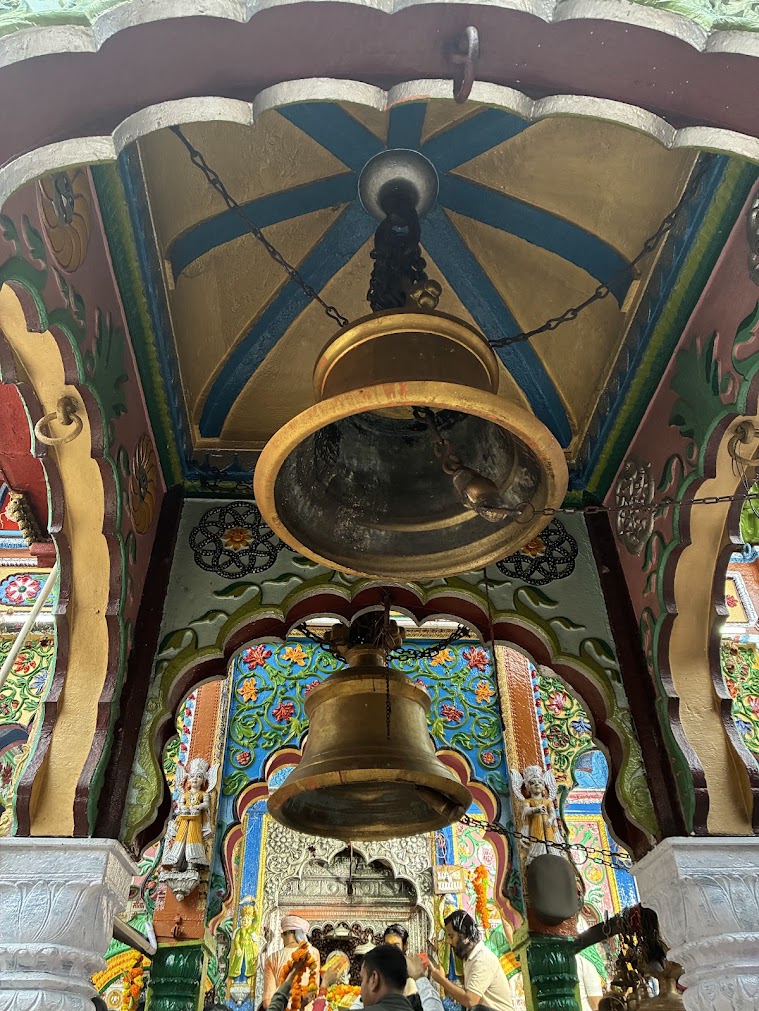
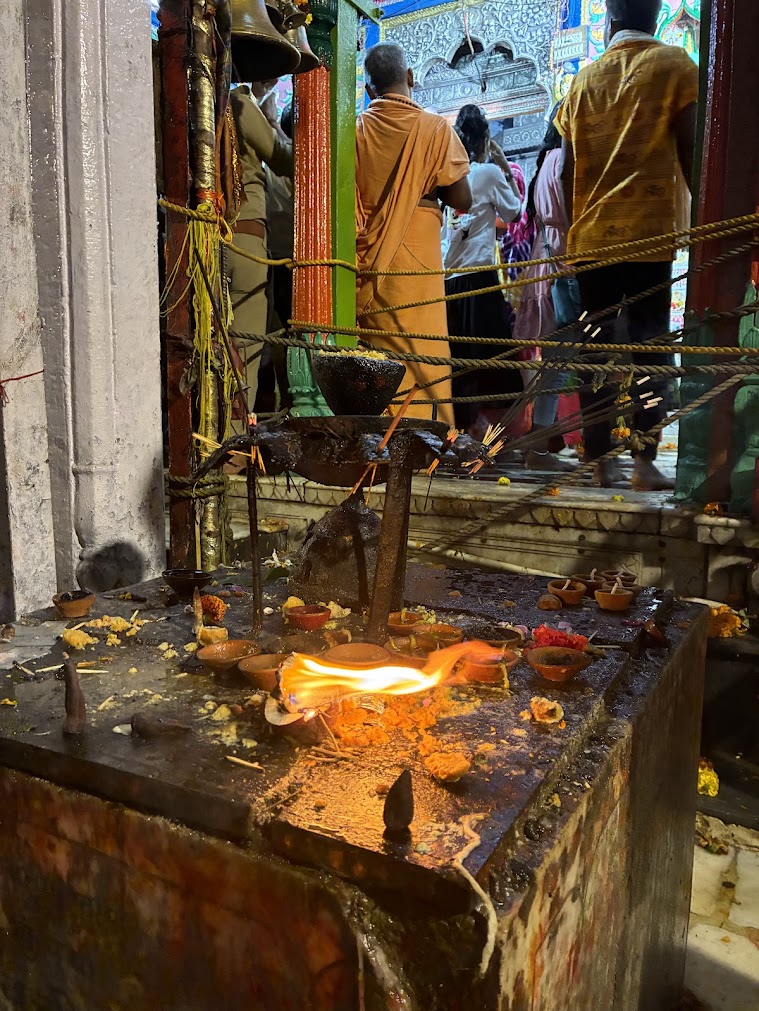
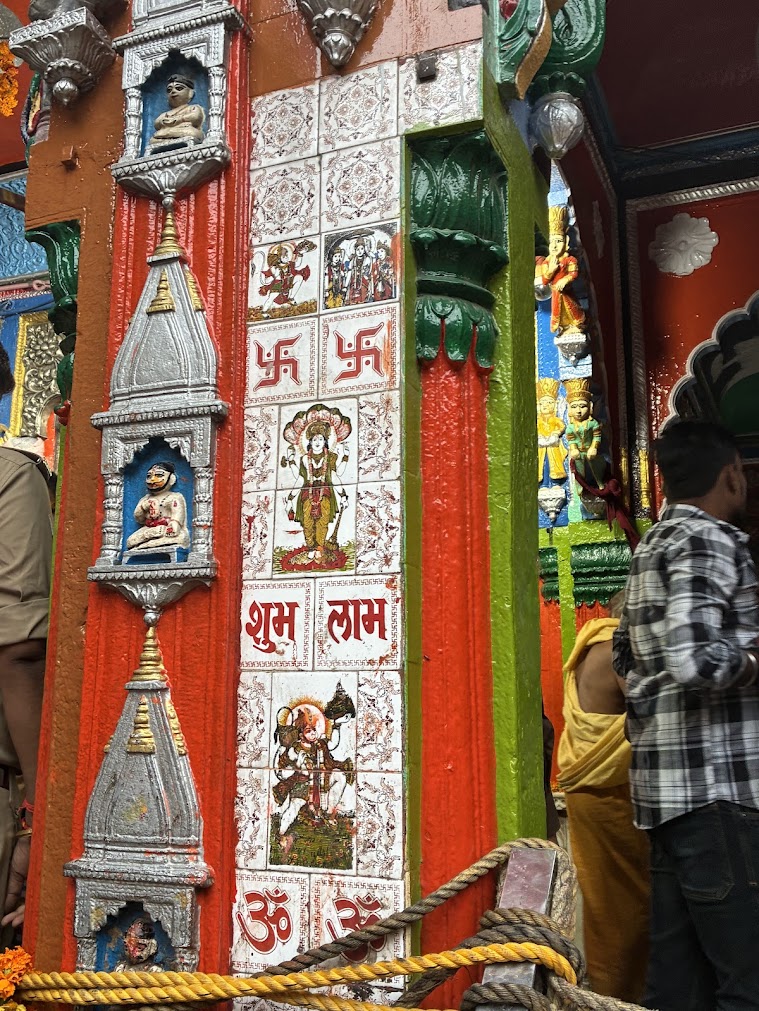
- Hanuman Garhi: Built in the 10th century, this temple sits atop a hill, requiring a climb of 76 steps. Hanumanji is believed to be the protector of Ayodhya, and its customary to seek his blessings before visiting the Ram Janmabhoomi. I loved the vibrant colors of this temple; they were so energizing!
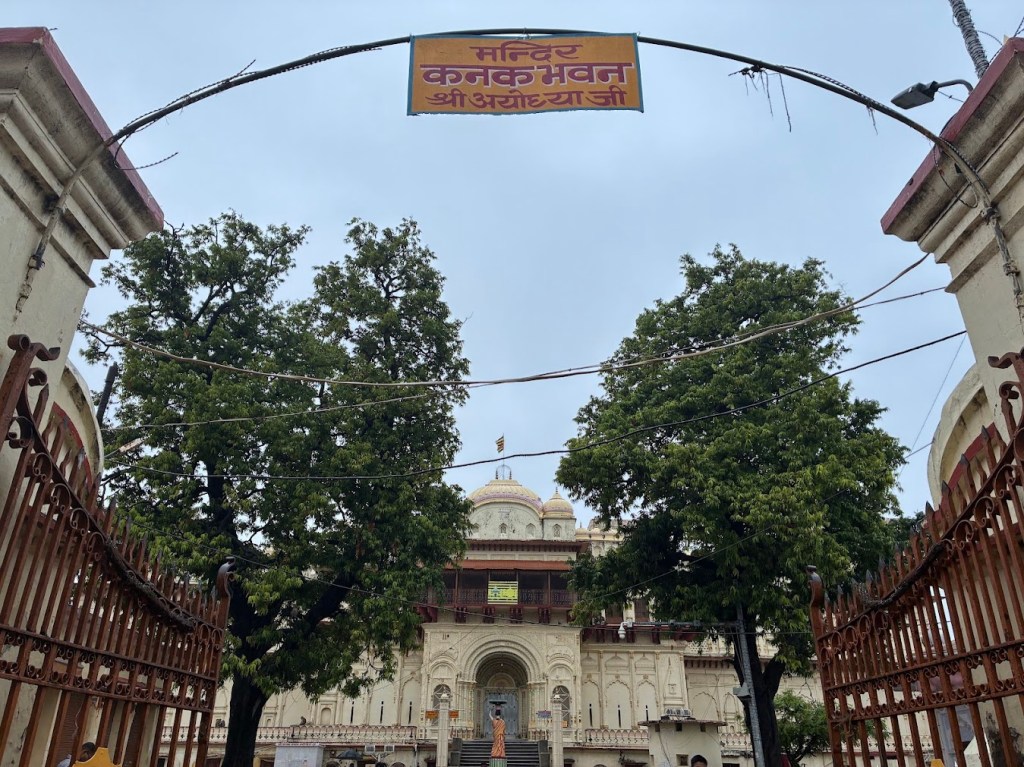
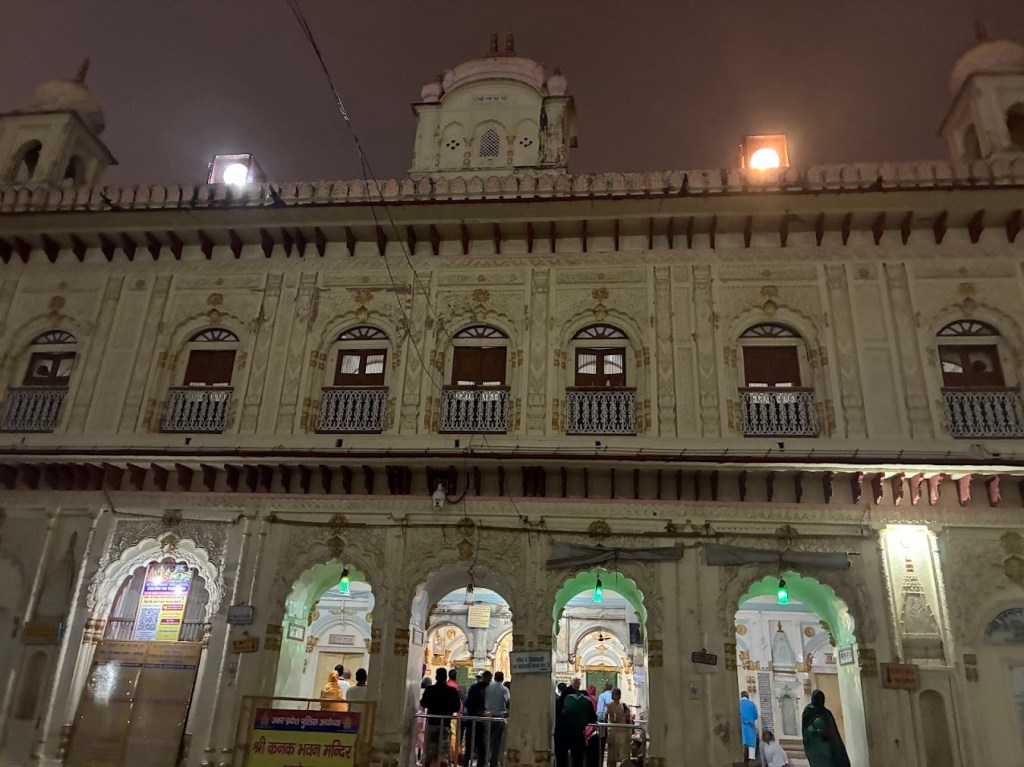
- Kanak Bhawan: Also known as Sone ka Ghar (House of Gold), this temple was gifted by Queen Kaikeyi to Mata Sita after her wedding. The current structure, rebuilt in 1891 by Rani Vrish Bhanu Kunwari, is resplendent with three golden idols of Shri Ram and Sita. The largest pair was installed by Rani Vrish Bhanu Kunwari herself, while the medium-sized idols are believed to be those established by the great King Vikramaditya. The smallest pair holds a legendary allure, said to have been gifted by Krishn Bhagwan himself to a hermit deeply immersed in meditation upon Ramji at this sacred site.
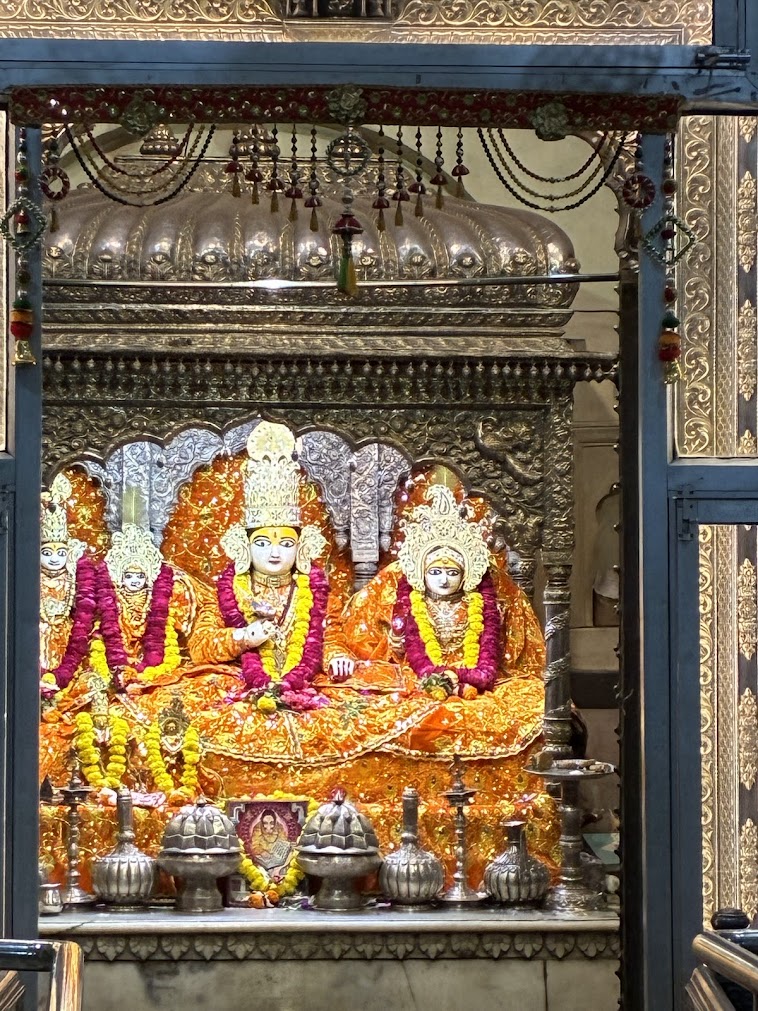
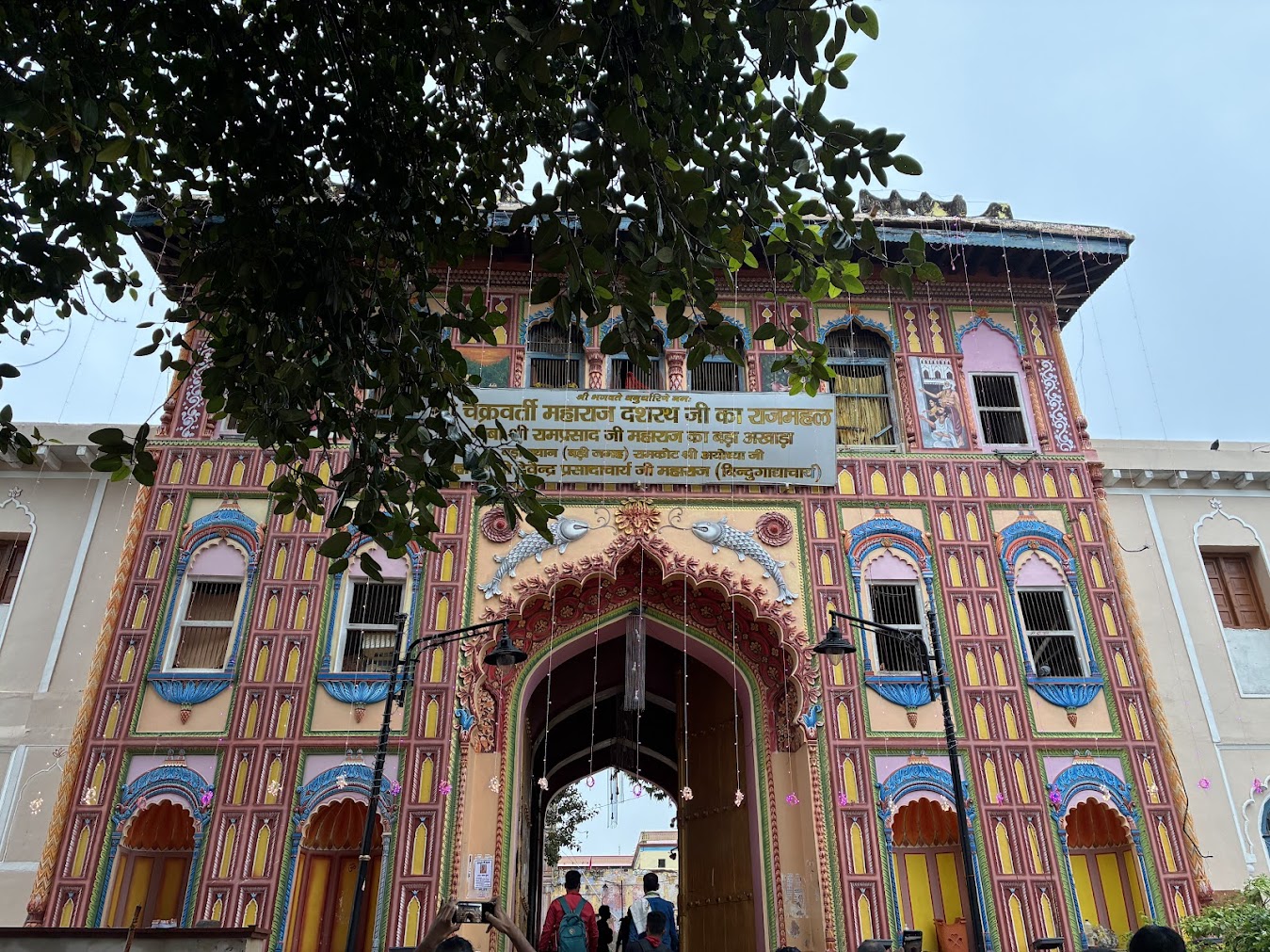
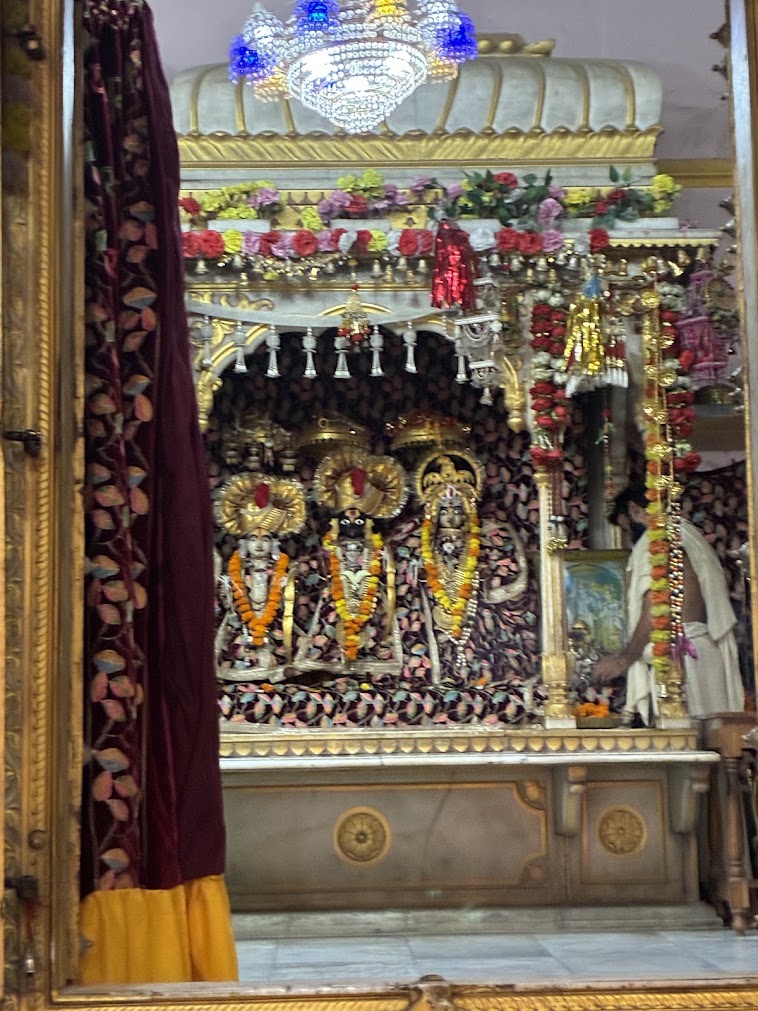
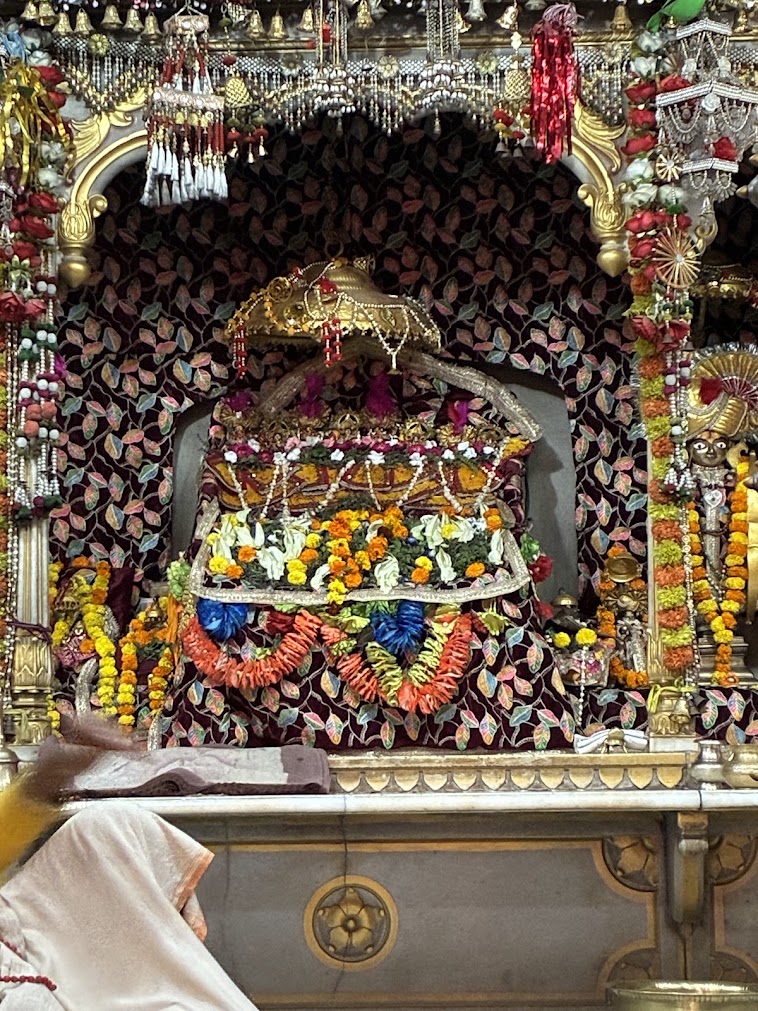
- Dashrath Mahal: Once the royal residence of King Dashrath, it now houses idols of Shri Ram, Mata Sita, Laxman, Bharat, and Shatrughan. The palace-turned-temple offers a nostalgic glimpse into the Ramayana era.
3. Other Places to Explore
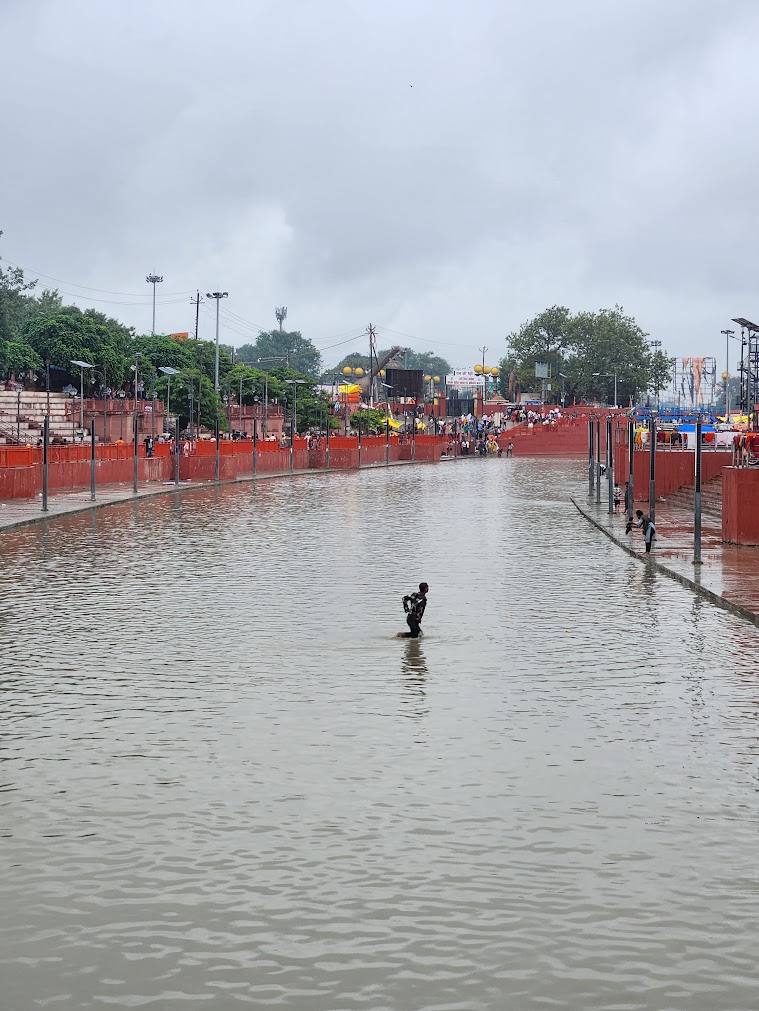
- Saryu Ghat & Ram Ki Paidi: Devotees believe that take a dip in the Sarayu River cleanses the soul and offer a sense of renewal. Furthermore, Ram Ki Paidi serves as a central hub for various religious rituals and ceremonies. The Saryu flows gently, creating a calming sound that fits perfectly with the spiritual vibe of the place. The ghats are open 24×7, but they are supposed to be the prettiest in the evenings, at the time of the aarti, which is performed with a thousand diyas, followed by a light and sound show.

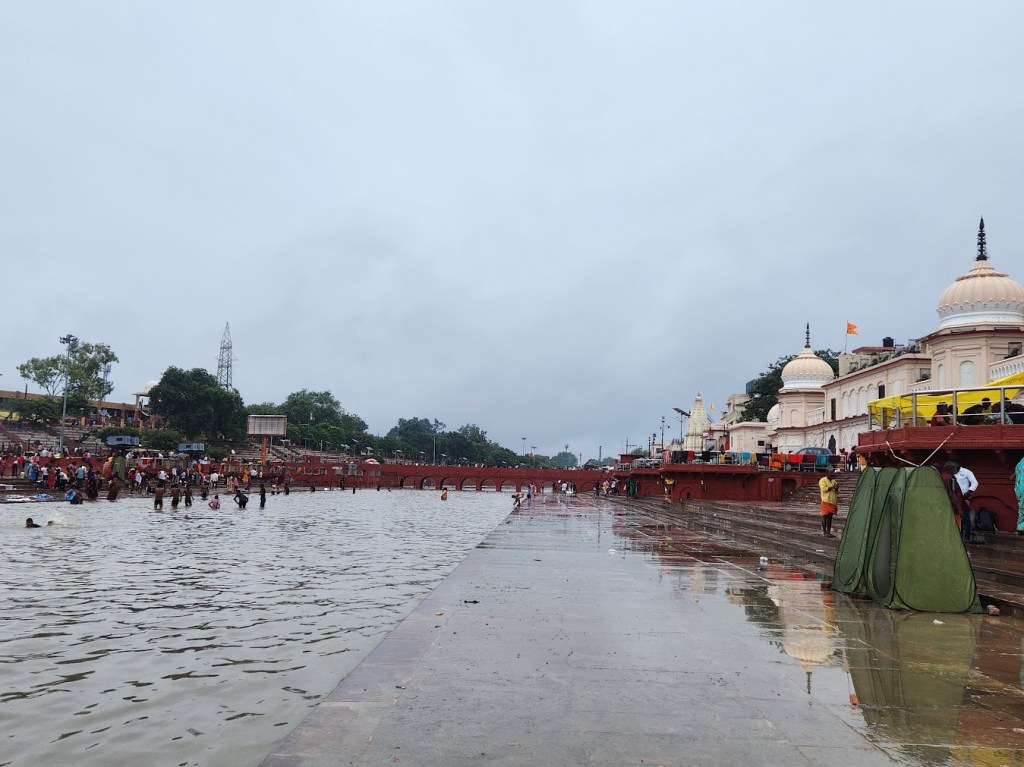
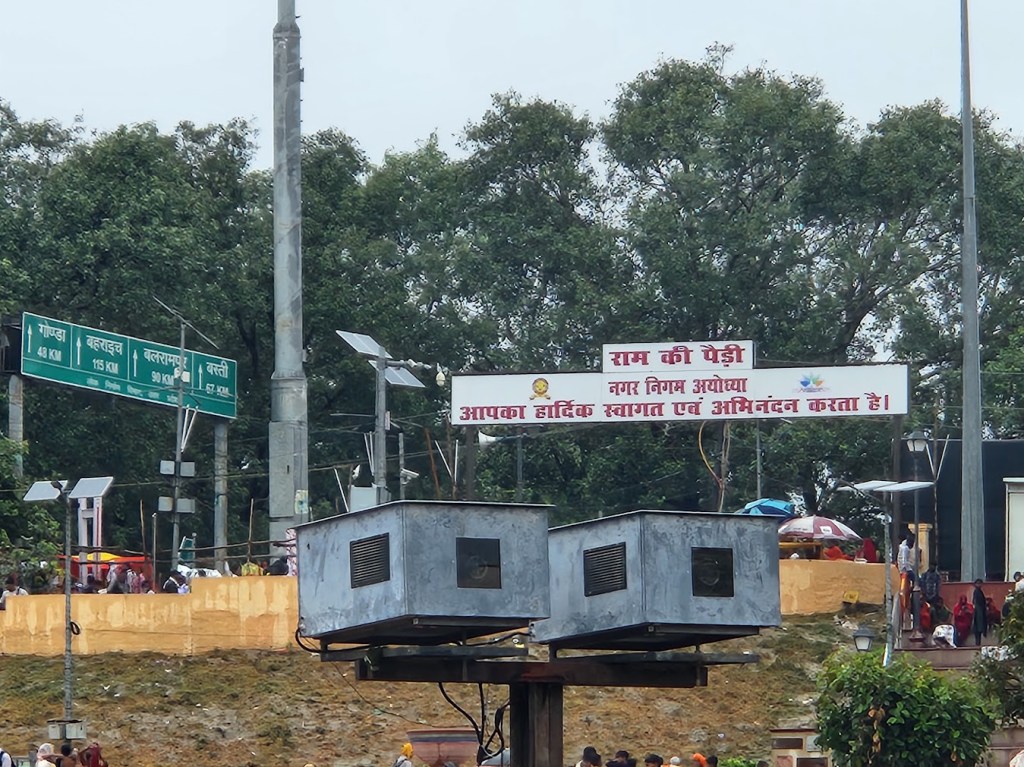
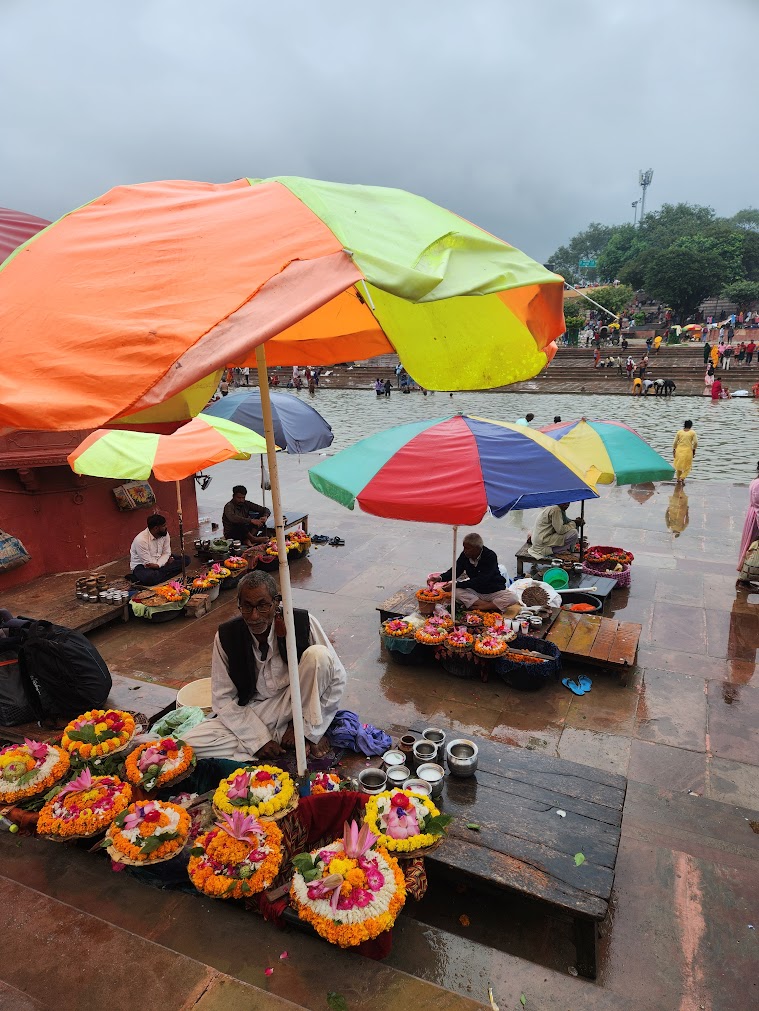
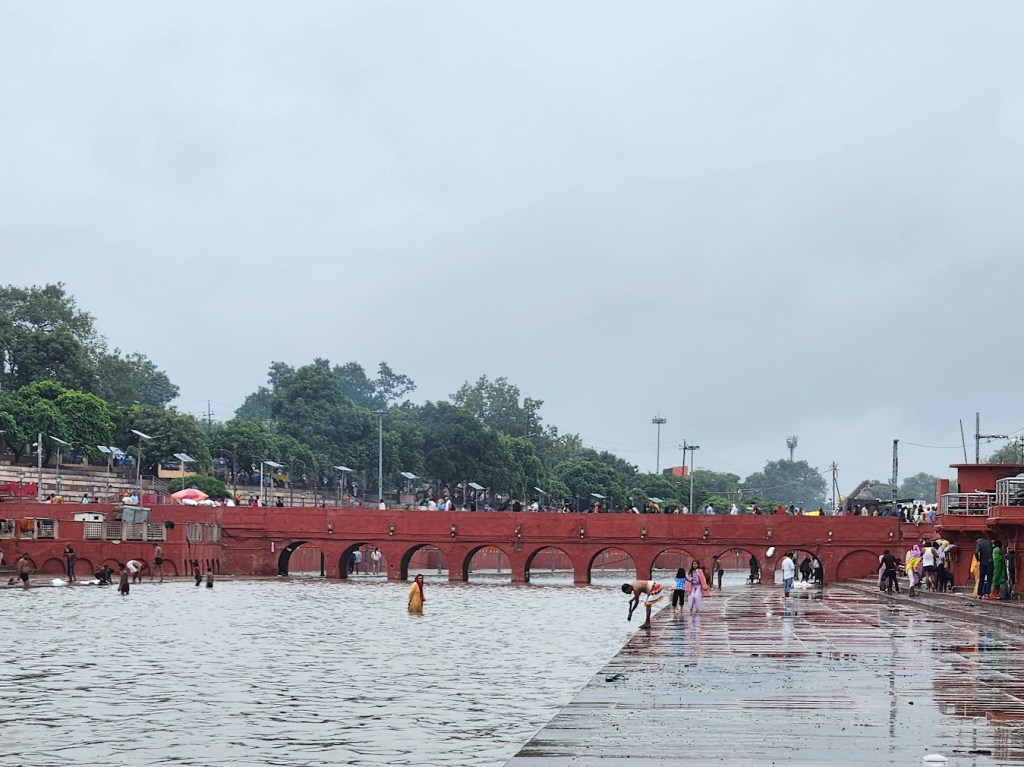
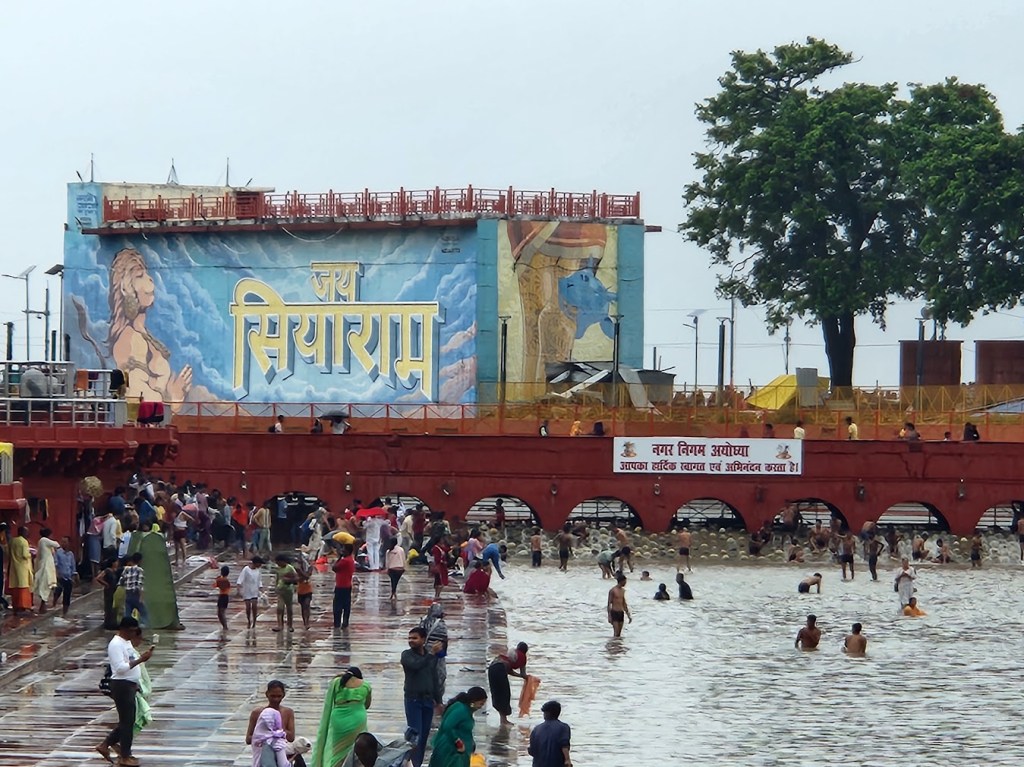
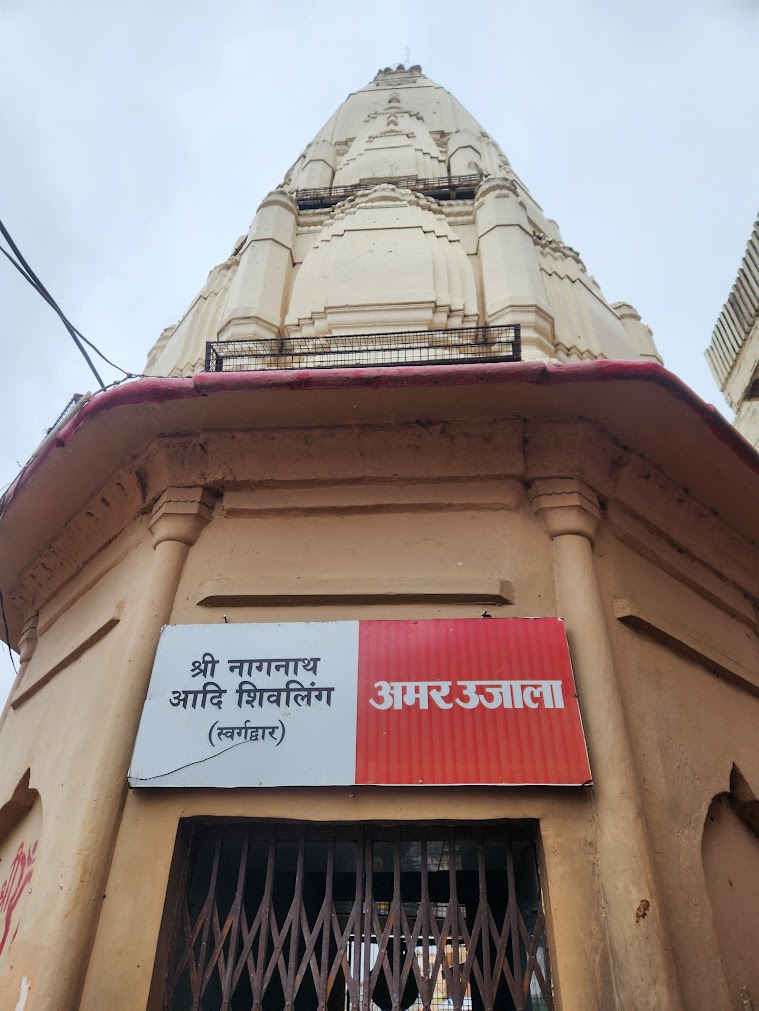
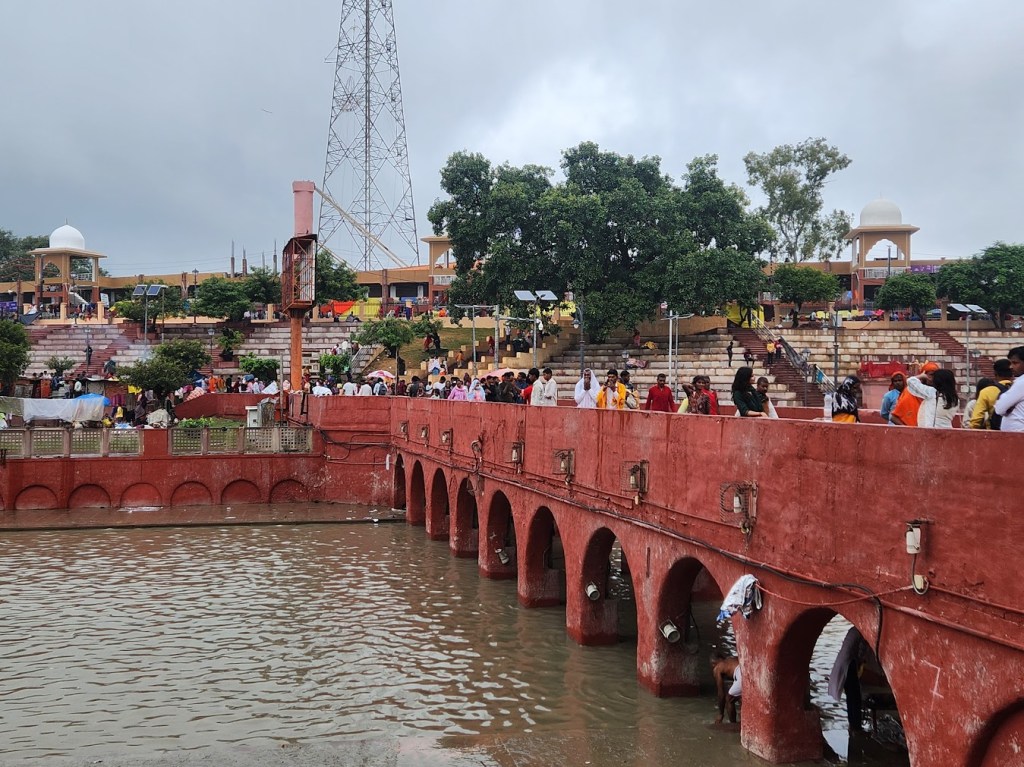
- Nageshwarnath Temple: Dedicated to Shivji, this temple is said to have been built by Kush, Shri Ram’s son. The Nagara-style carvings on its walls and pillars depict celestial stories in exquisite detail.
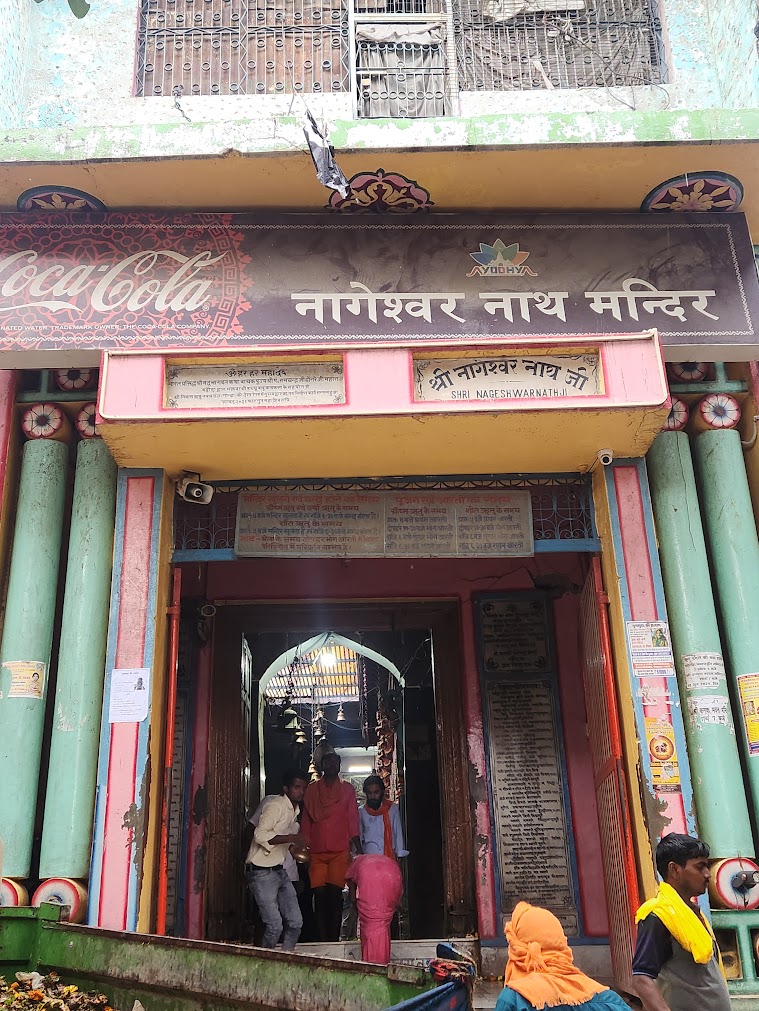
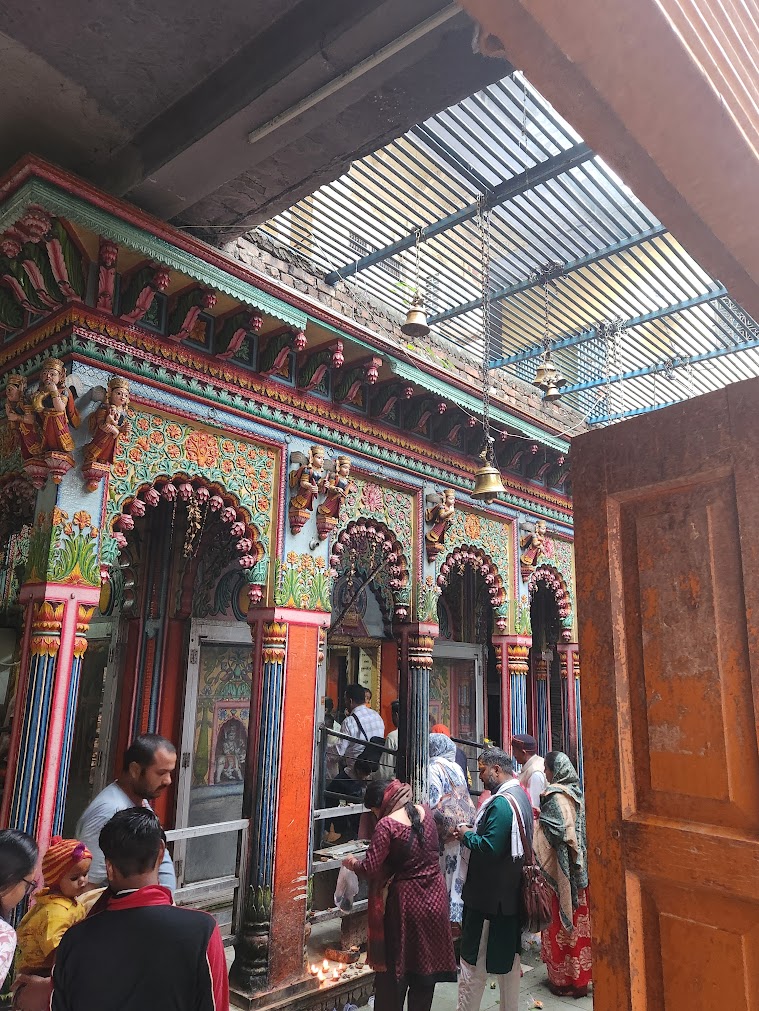
- Guptar Ghat: This sacred spot is believed to be where Prabhu Ram took Jal Samadhi to return to Vaikuntha.
🌦️ When to Visit — and My (Rainy) Luck!
Choosing when to visit Ayodhya needs a bit of planning. I had initially wanted to be there for Dev Deepavali (Nov 4–5), but anticipating massive crowds, I chose to go just before that. I reasoned that those planning to celebrate Dev Deepavali in Varanasi would likely visit Ayodhya either before or after.
So, I picked Oct 30–31, conveniently skipping Dev Uthani Ekadashi (Nov 1) and Tulsi Vivah (Nov 2). It sounded like a perfect plan — until it wasn’t! For exactly those 1.5 days that I was there, Ayodhya was completely rained out. Locals told me it “never rains at this time of year,” but well, just my luck 😉. To add to the mix, these were also the days of the 14 Kosi Parikrama, bringing in lakhs of devotees and prompting barricades and road closures. For those curious/interested, this article gives a good snapshot of the situation at that point – One million devotees throng Ayodhya for 14 Kosi Parikrama amid heavy rains – The Statesman
Because of these, I missed two experiences – the evening aarti and light and sound show at the Ghats (called off that day, due to the rain) and Guptar Ghat (road closures due to the Parikrama).
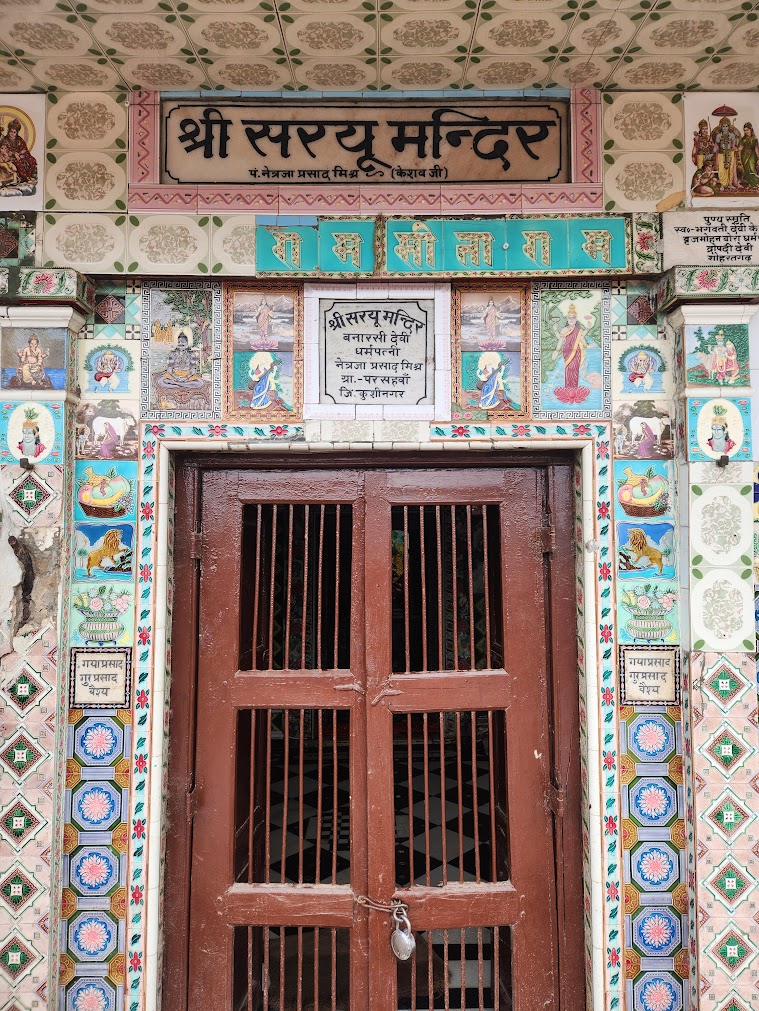
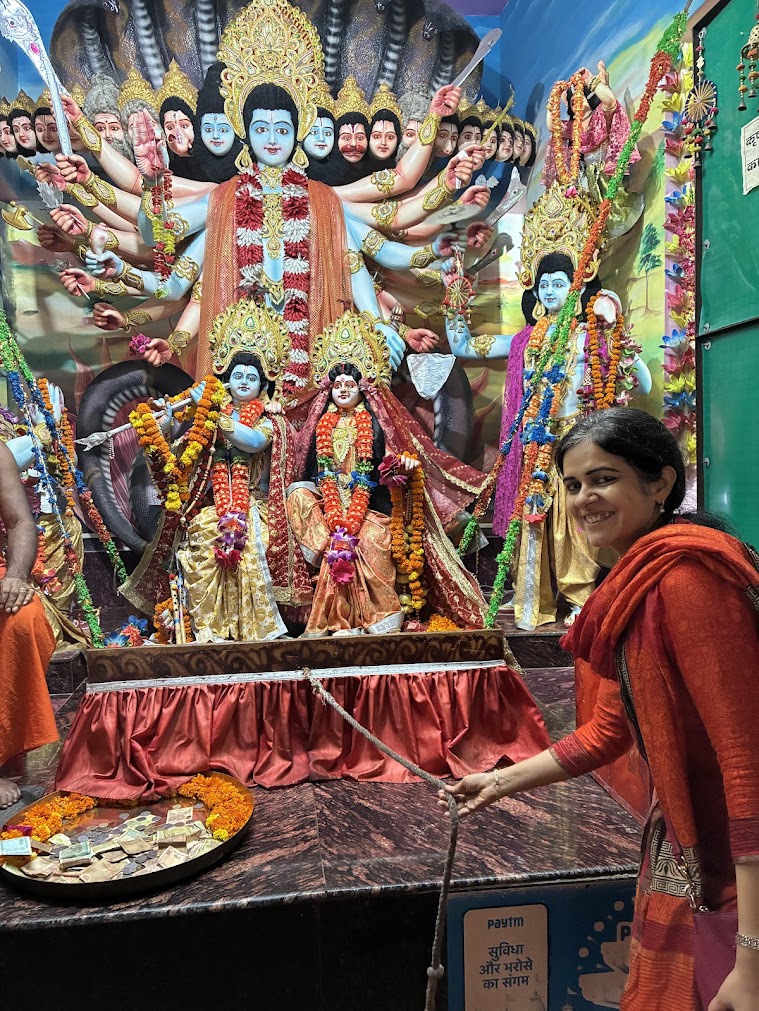
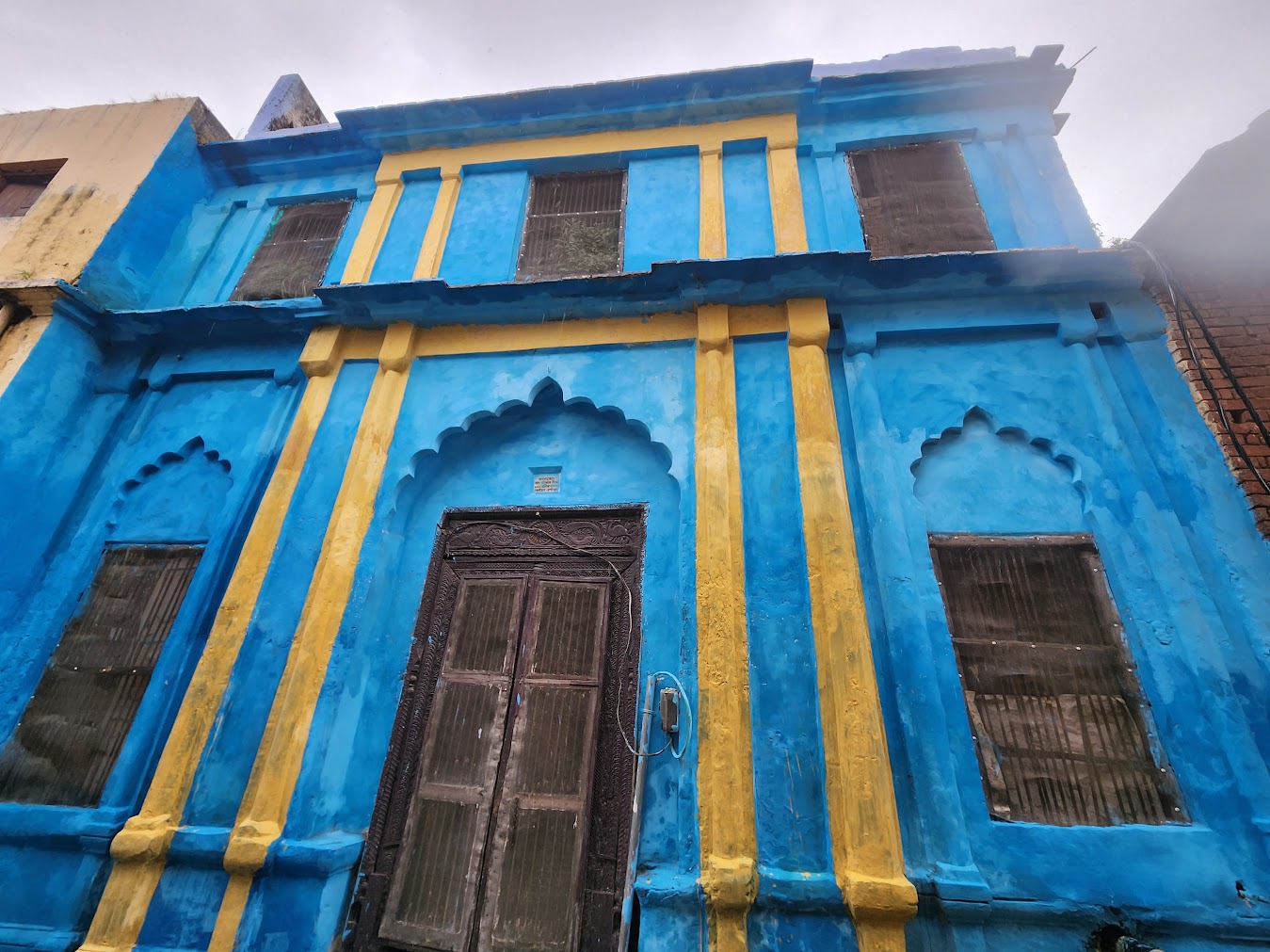
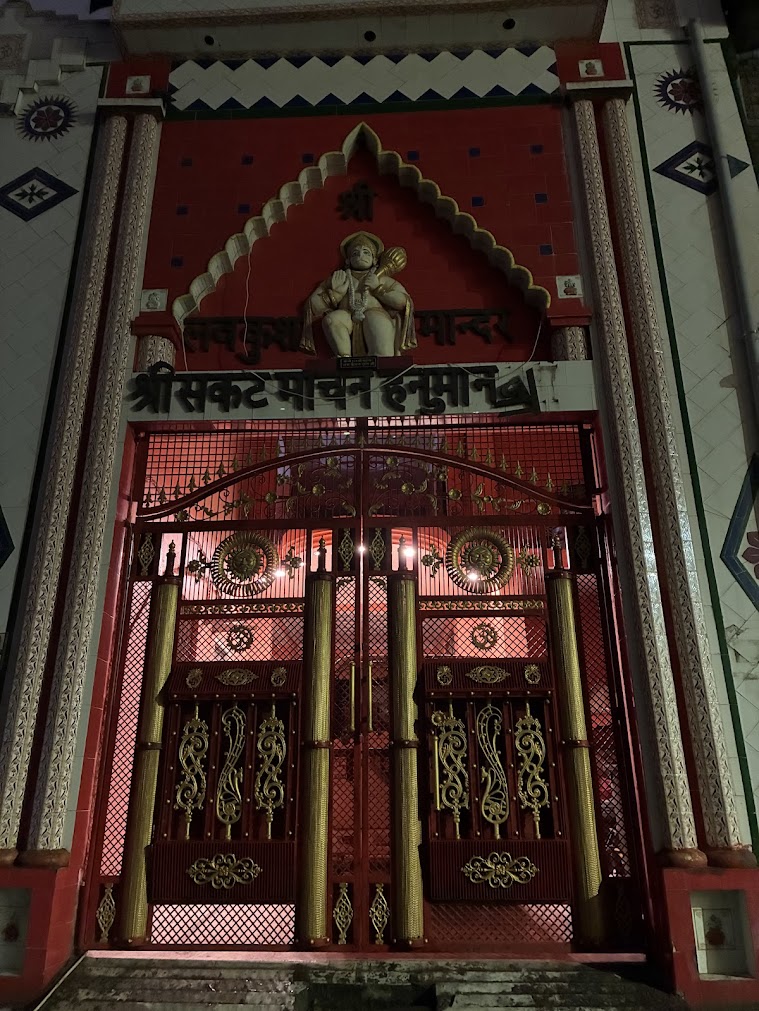
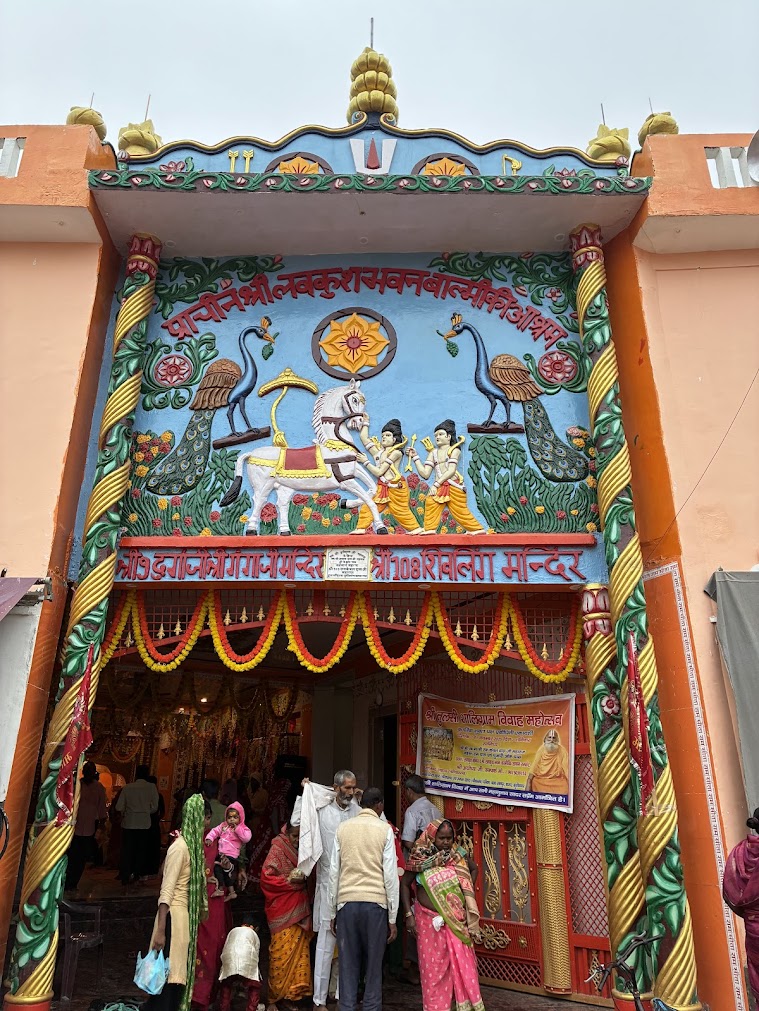
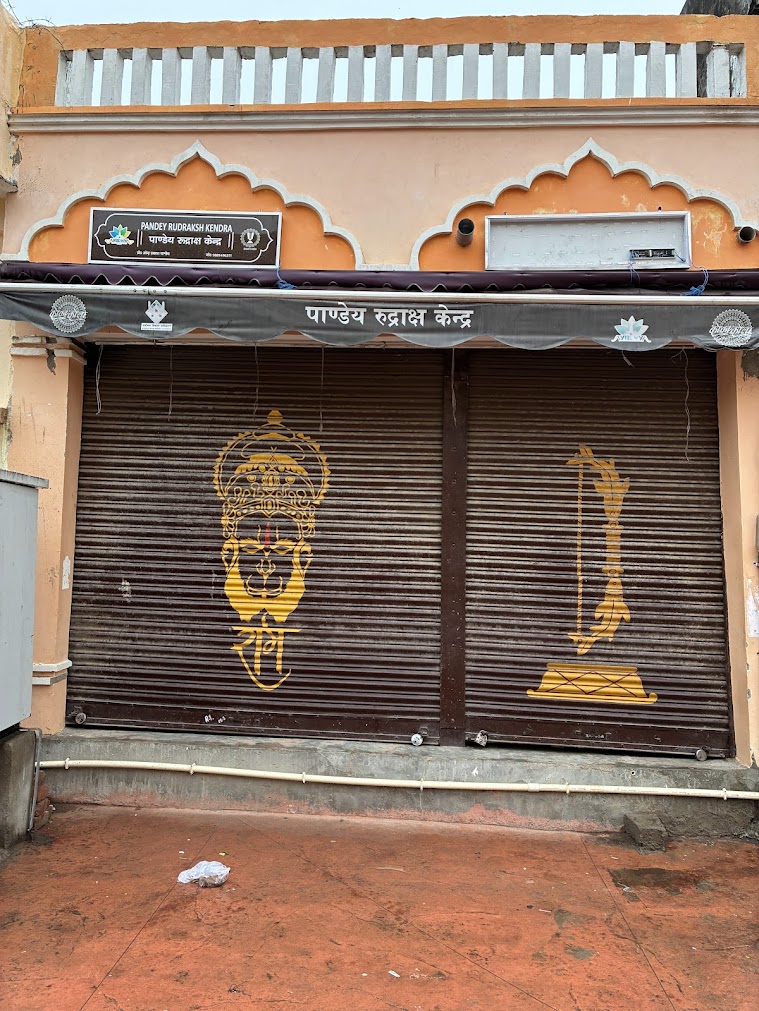
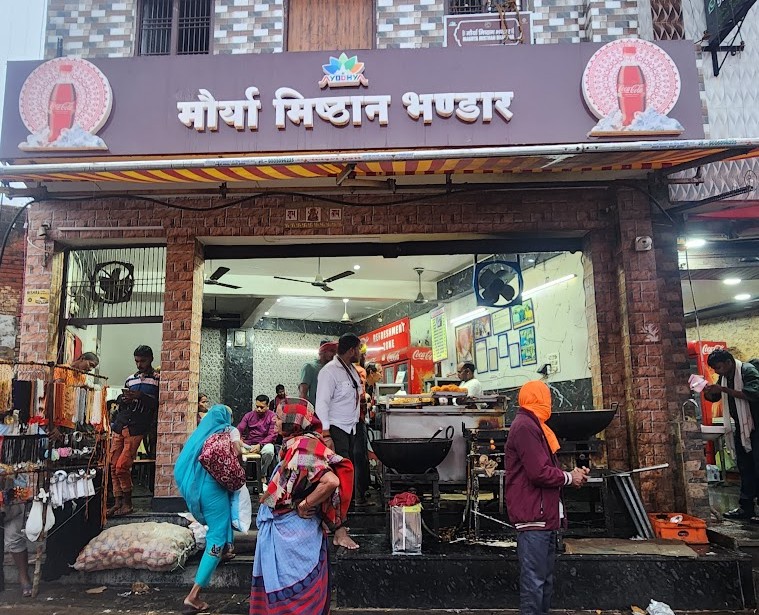
Some glimpses of the lanes of Ayodhya:
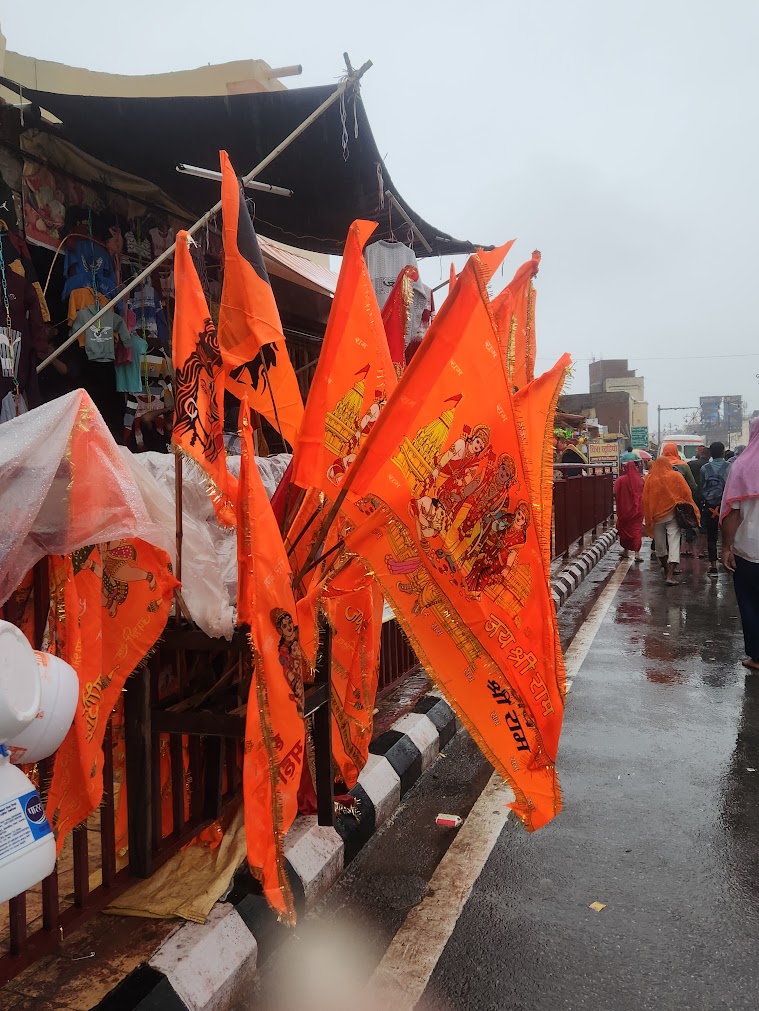
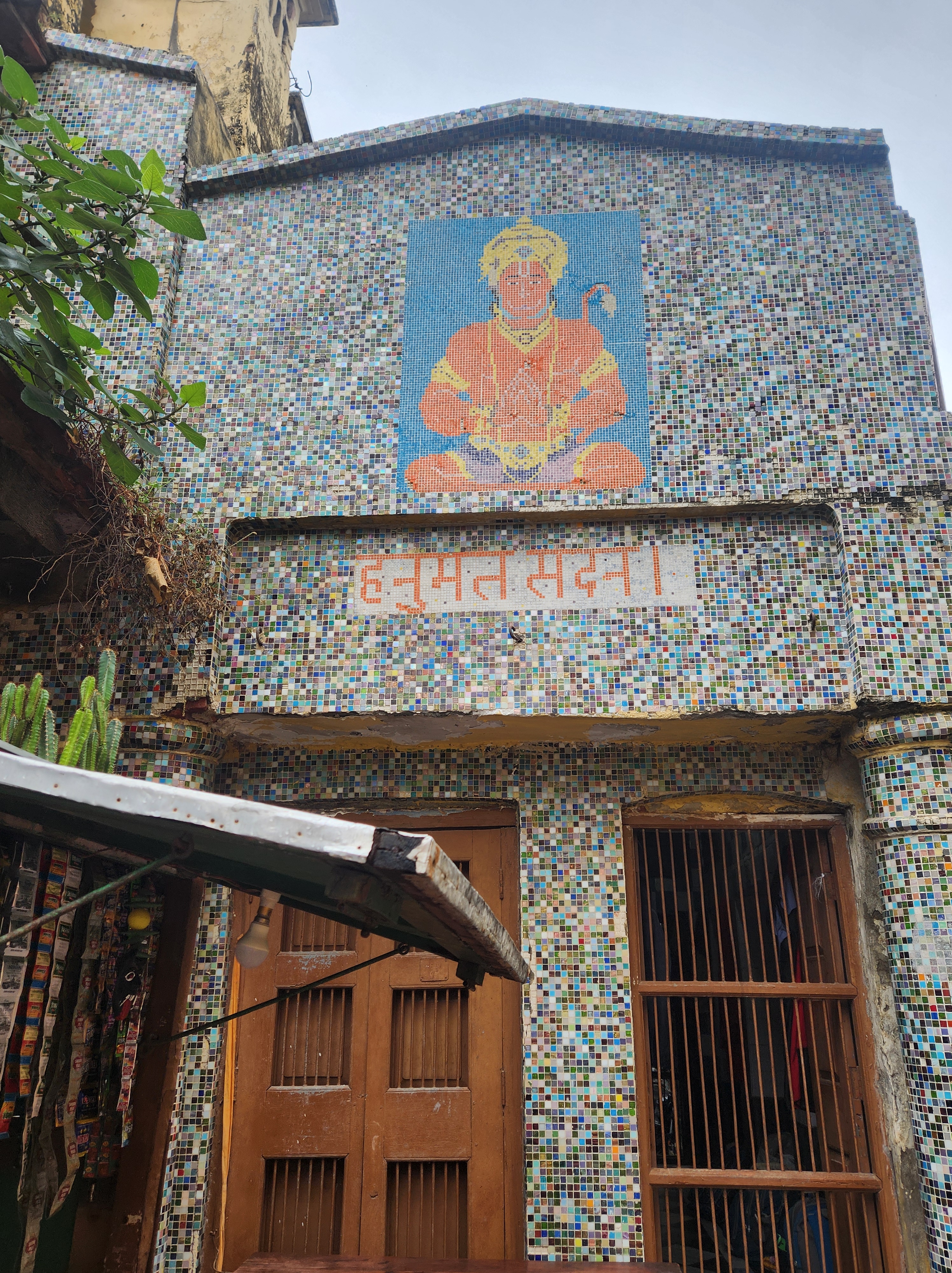
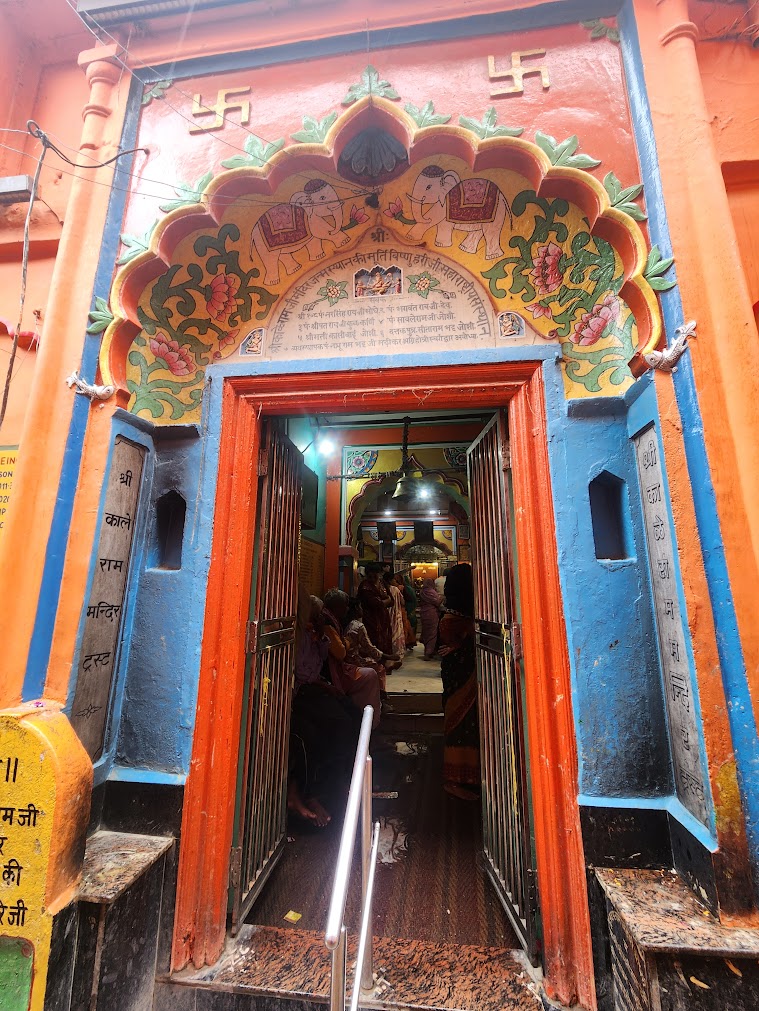
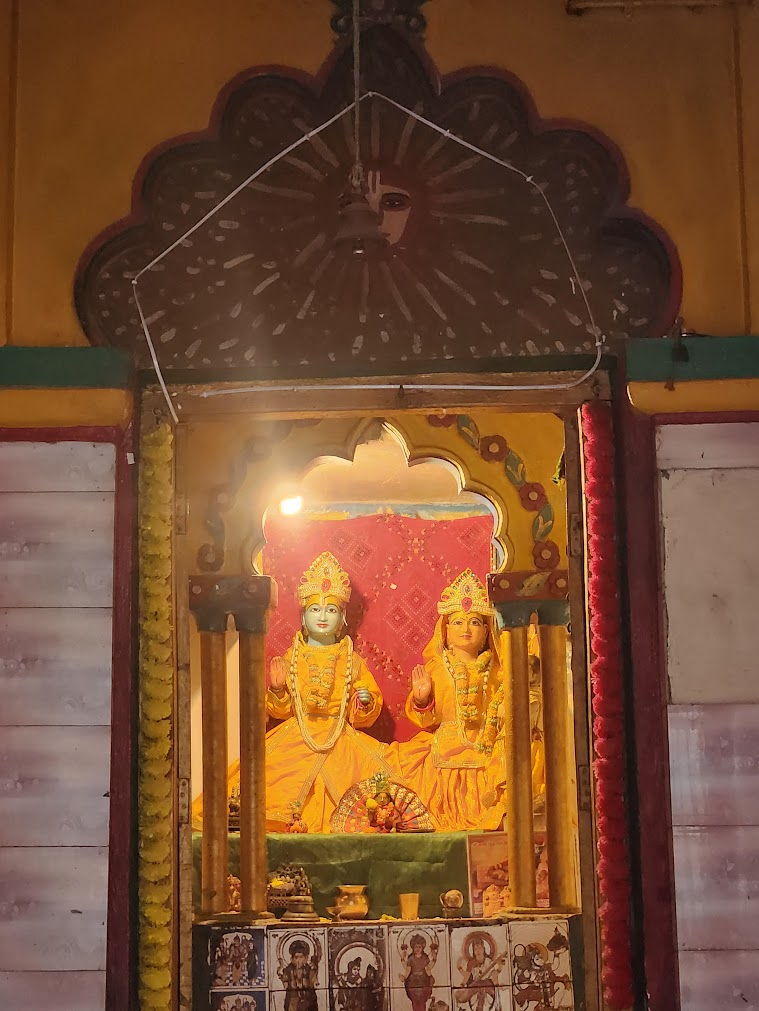
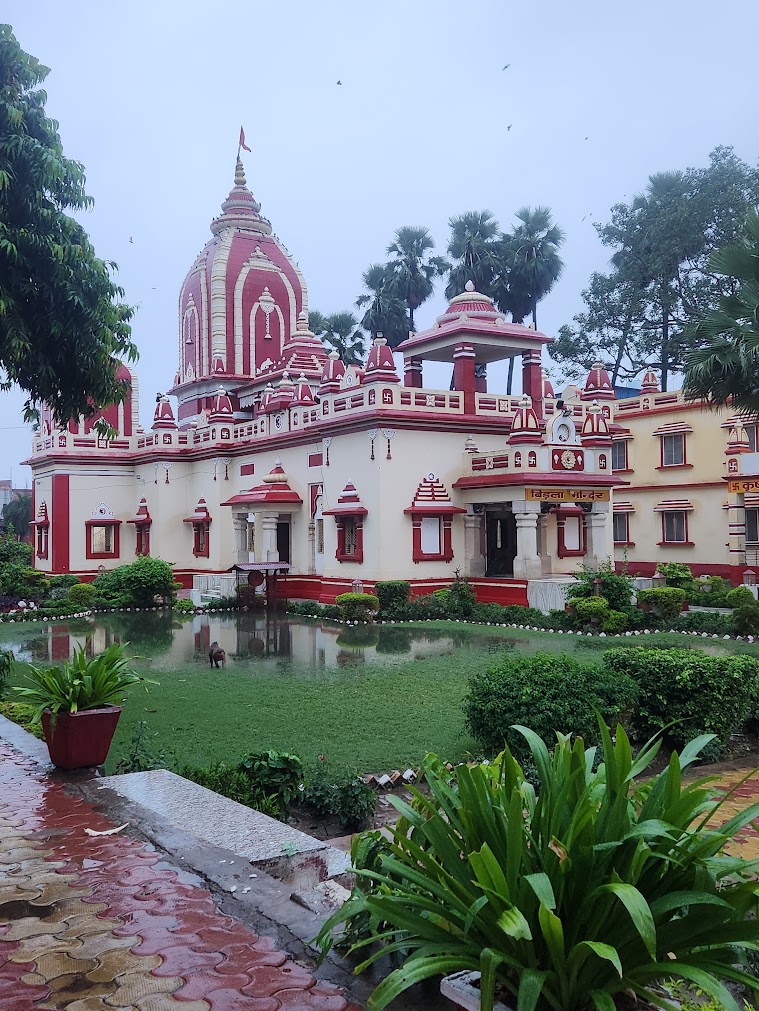
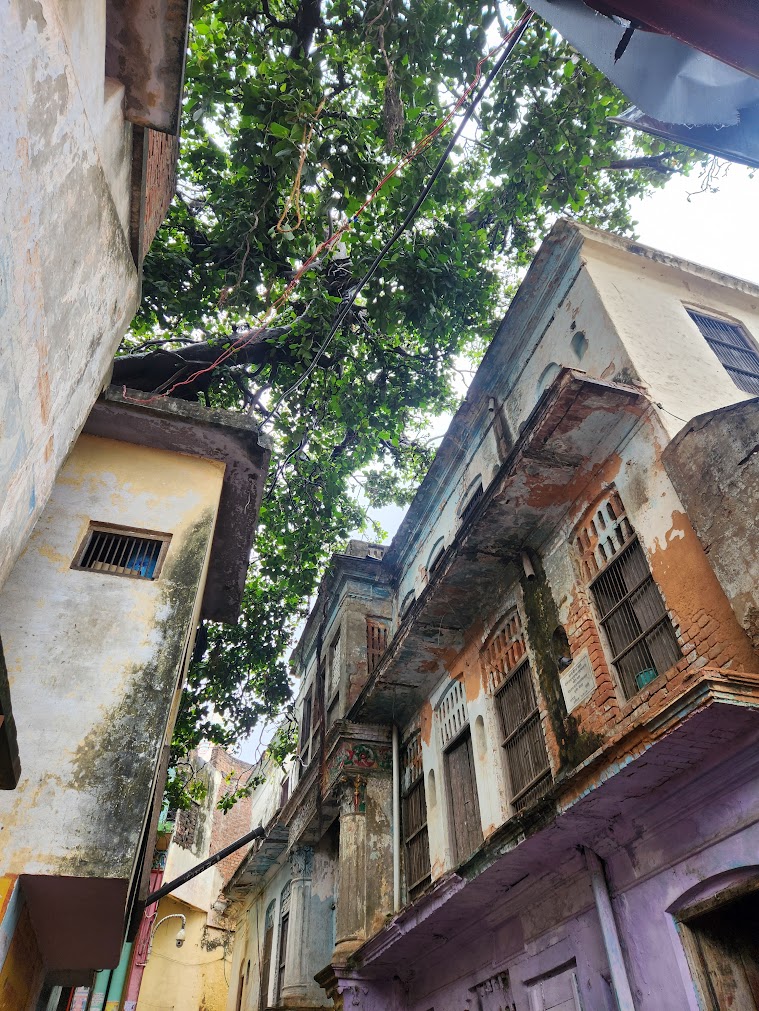
💫 Reflections from the Heart
Despite the rain, the crowds, and the long waits, I wouldn’t have changed a thing. By the end of Day 1, I had wet hair and clothes, tired legs and broken footwear — but my heart was overflowing with joy, devotion and gratitude. No wonder waking up at 4am for the morning aarti after a very long previous day didn’t feel like an effort or a task.
There’s something about Ayodhya (just as Prayagraj and Varanasi) that humbles you – divine chants floating in the air; unshakable faith of the devotees around you; just the quiet realization that you’re walking on the very soil where Maryada Purushottam Shri Ram once walked.
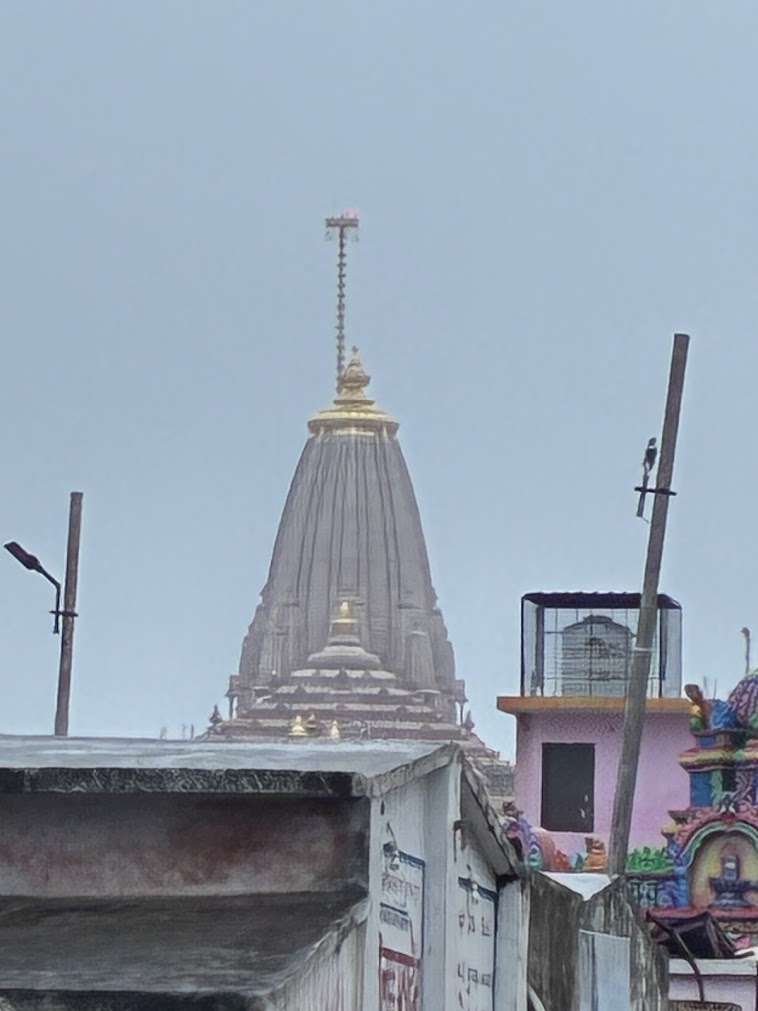
As I stood before the Ram Lalla Idol that morning with folded hands, I felt a deep stillness within and a calm I hadn’t known I was seeking! I left Ayodhya with muddy shoes, a glowing heart, and a silent promise to return. Jai Shri Ram! 🌸
 DestinationDialoguesbyCharu
BEAUTIFULLY ,HEARTFELT
DESCRIBED SO WELL,ONE OF OUR
HOLIEST PLACE.
THANK YOU CHARU.
LikeLike
Great
LikeLike